Key Features & Benefits
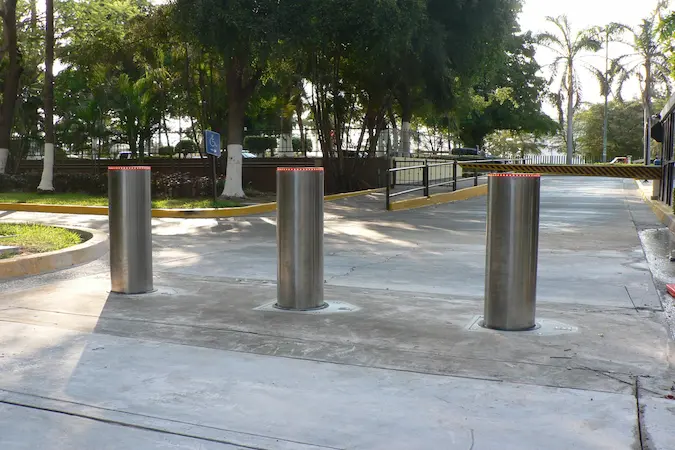
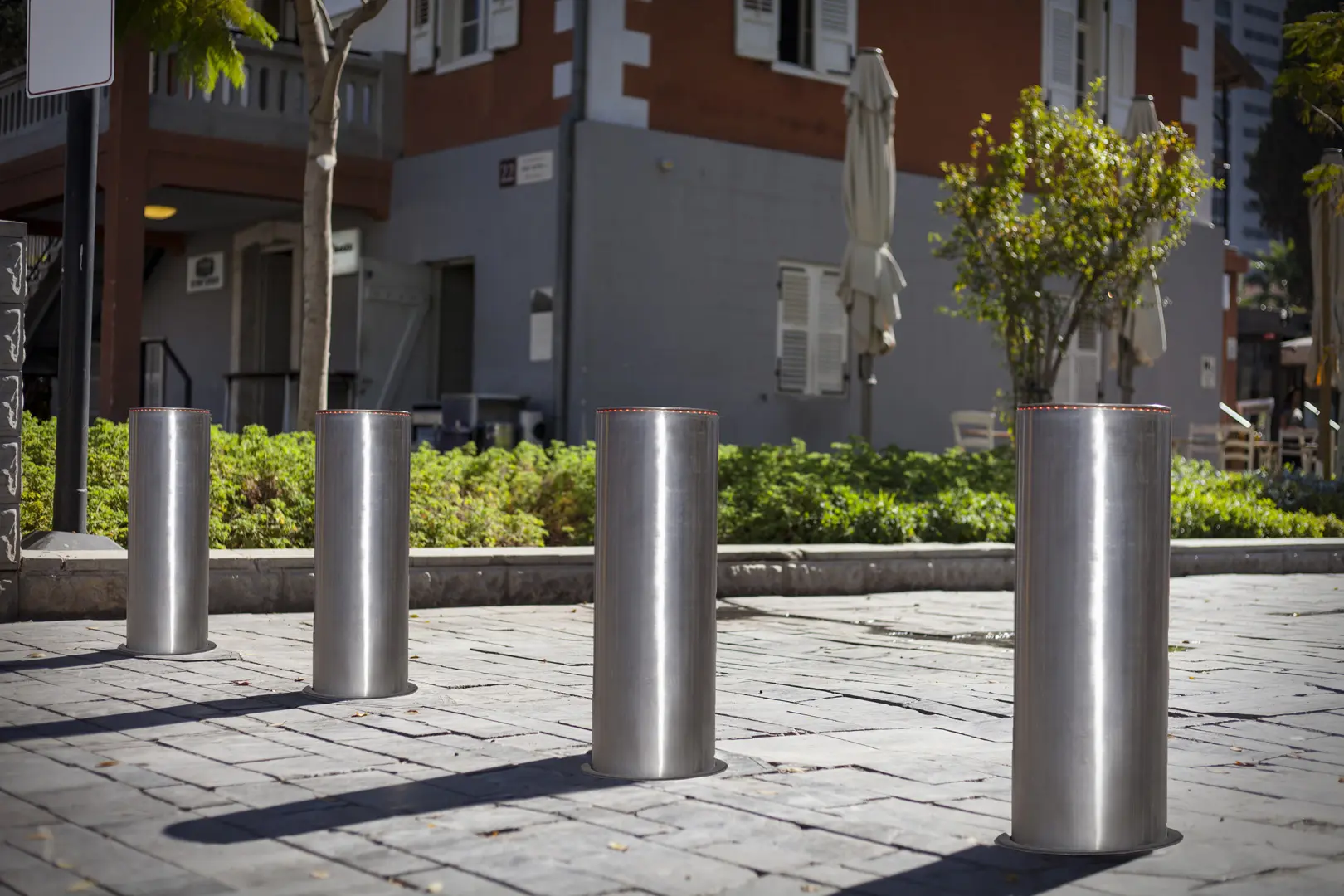
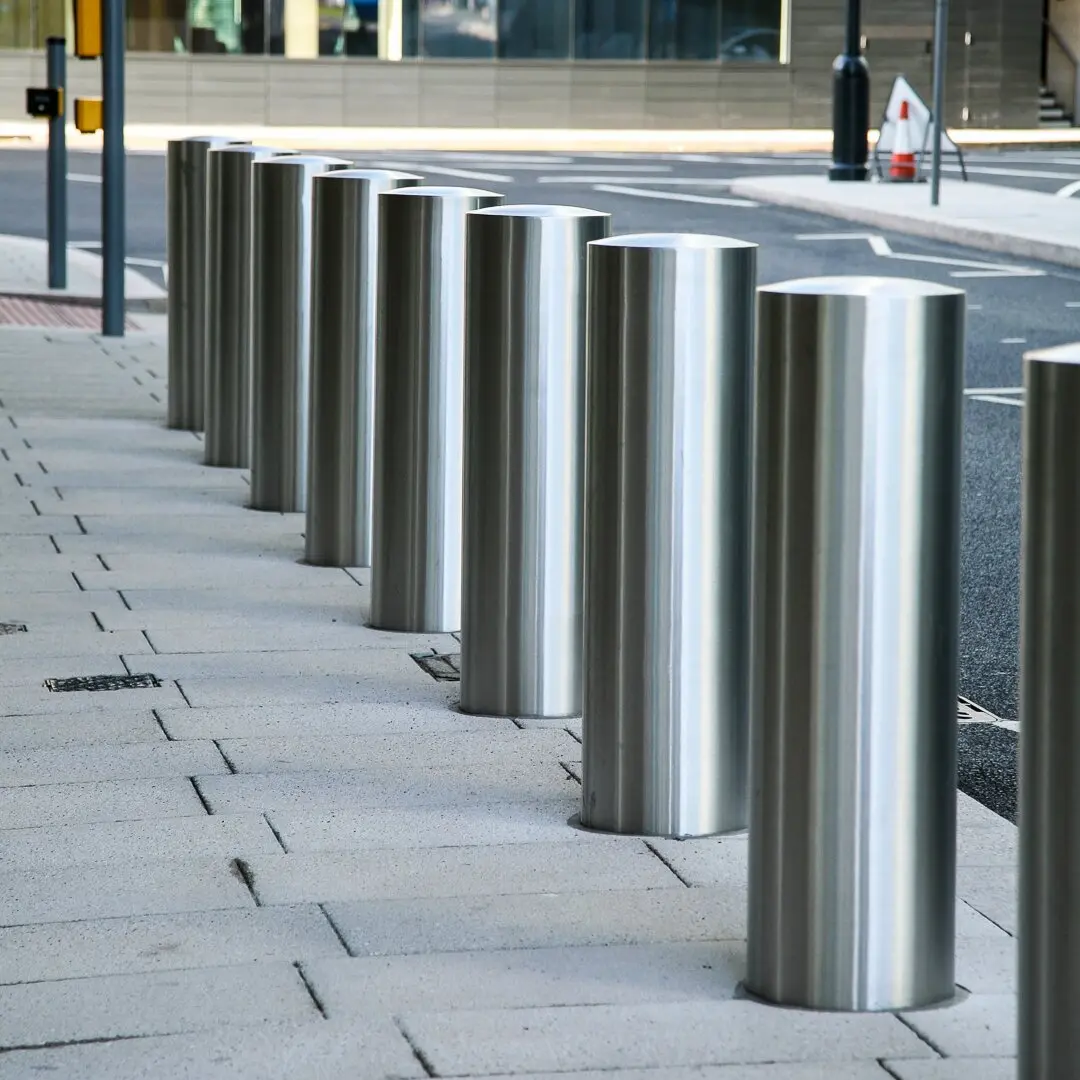
- K12 crash-rated configuration for high-security HVM applications
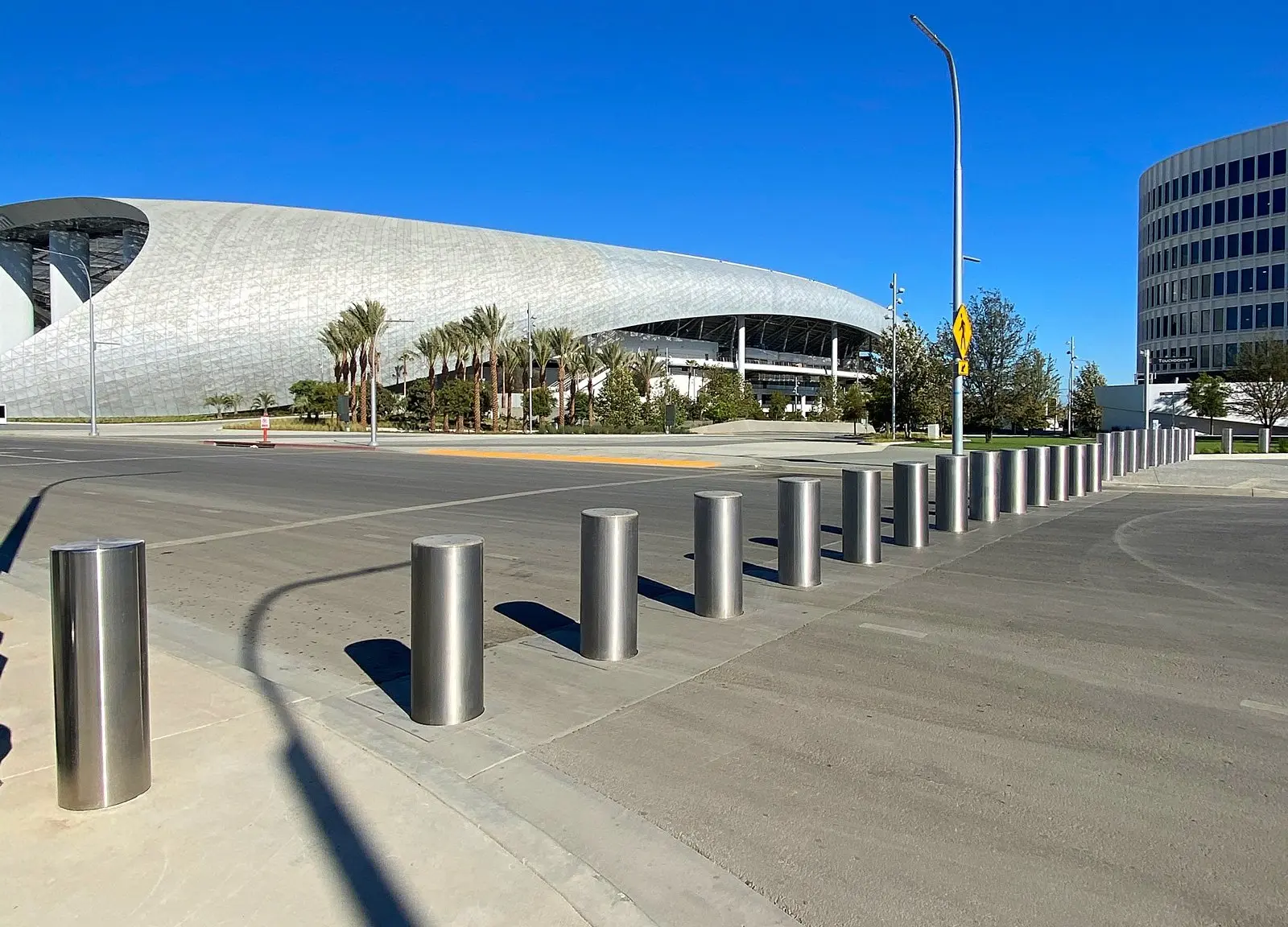
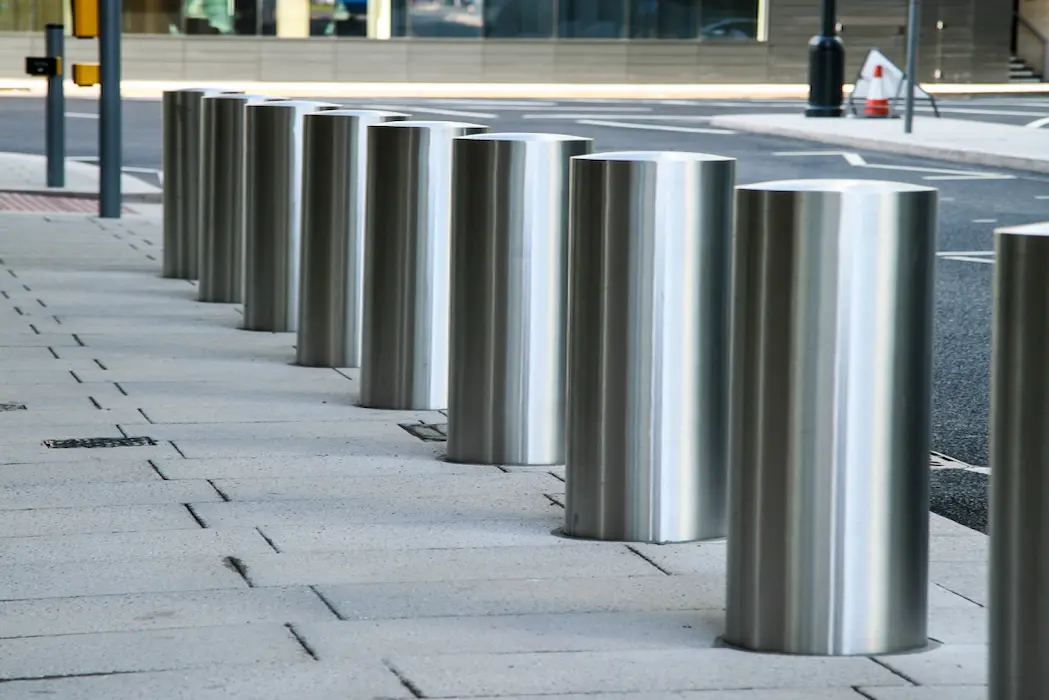
- Fixed, removable and automatic bollard configurations available
- Heavy-duty steel construction for demanding security environments
- Reinforced foundation design according to project requirements
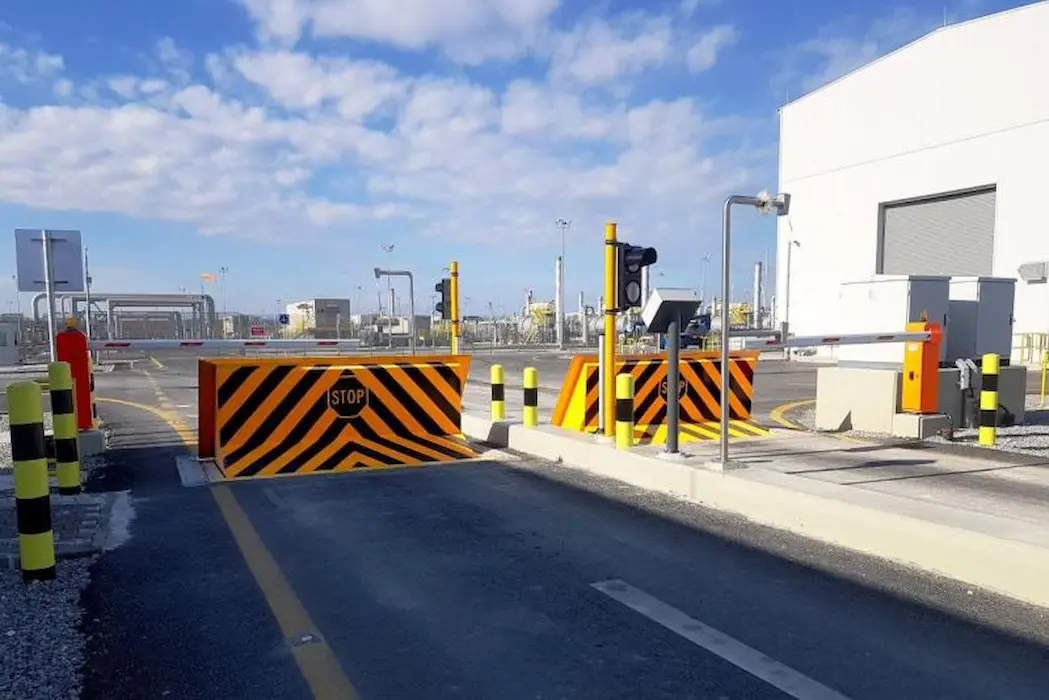
- Access-control and PLC integration options for automatic systems
- Suitable for continuous operation at critical high-security sites
Security Benefits
- High-level protection against hostile vehicle intrusion
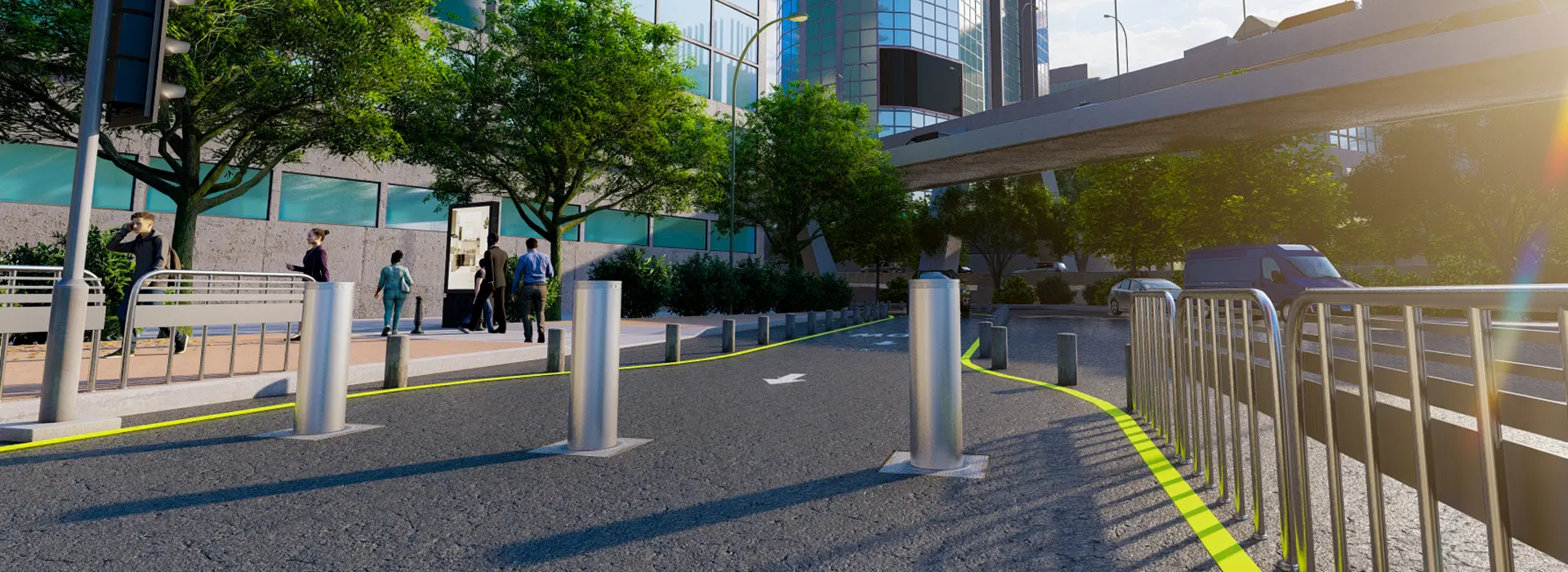
- Supports layered perimeter-security strategies
- Suitable for critical and high-threat environments
- Integration with wider access-control infrastructure
Technical Specifications
| Parameter |
Specification |
| Crash Rating |
K12 |
| Impact Speed |
Up to 80 km/h* |
| Height Above Ground |
700–1000 mm (model dependent) |
| Diameter |
275–355 mm (model dependent) |
| Material |
MS / SS304 / SS316 |
| Operation |
Fixed / Removable / Automatic |
| Foundation |
Project & site-specific configuration |
*Crash performance and technical specifications depend on the
selected tested bollard configuration and project requirements.
Typical Applications
- Government Buildings & Embassies
- Military & Defence Facilities
- Airports & International Terminals
- Oil & Gas Facilities
- Data Centers
- Power & Energy Facilities
- Critical Infrastructure
- High-Security Industrial Facilities
Standards & Compliance
- K12 high-security crash-rated configuration
- ASTM F2656 crash-test standard – where applicable to the selected model
- IWA 14-1 crash-test standard – where applicable to the selected model
- Designed for Hostile Vehicle Mitigation (HVM) applications
Applicable crash-test rating, certification and penetration
performance depend on the selected tested bollard model and
project specification. Relevant technical documentation can be
provided according to project requirements.
Installation & Maintenance
K12 crash rated bollard installation requires appropriate civil
foundations, structural anchoring and professional commissioning.
Automatic configurations also require suitable hydraulic, electrical
and control provisions. Installation requirements vary according to
the selected model, site conditions and project specification.
Typical Maintenance Requirements
- Routine inspection of bollard structure and foundation
- Inspection of hydraulic components for automatic configurations
- Electrical and control-system diagnostics where applicable
- Inspection for corrosion, impact damage or physical deformation
- Preventive maintenance according to operating conditions