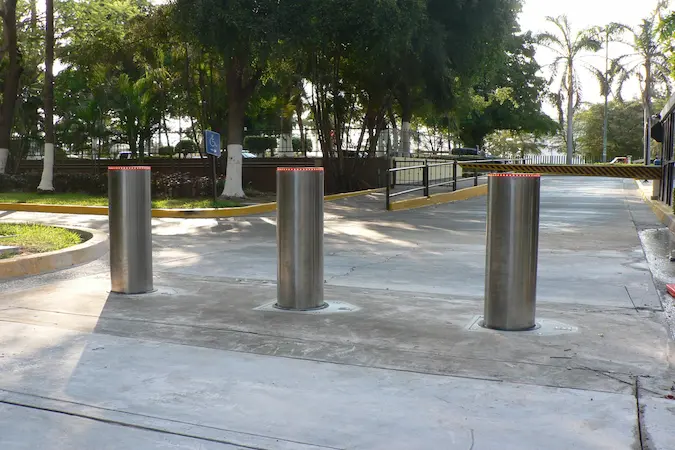
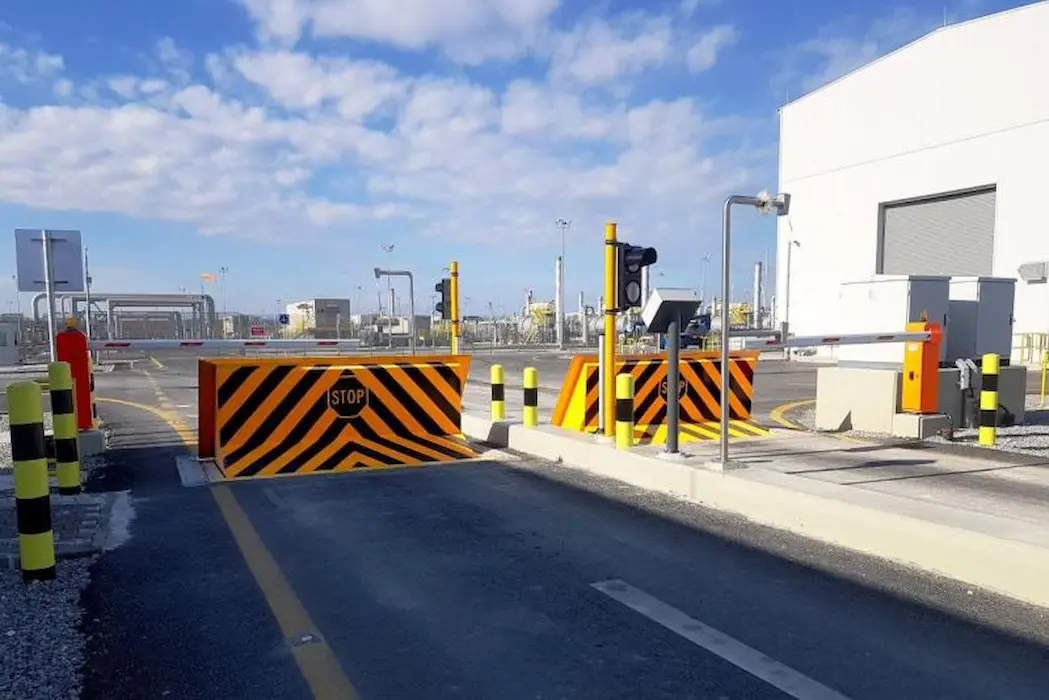
Key Features & Benefits
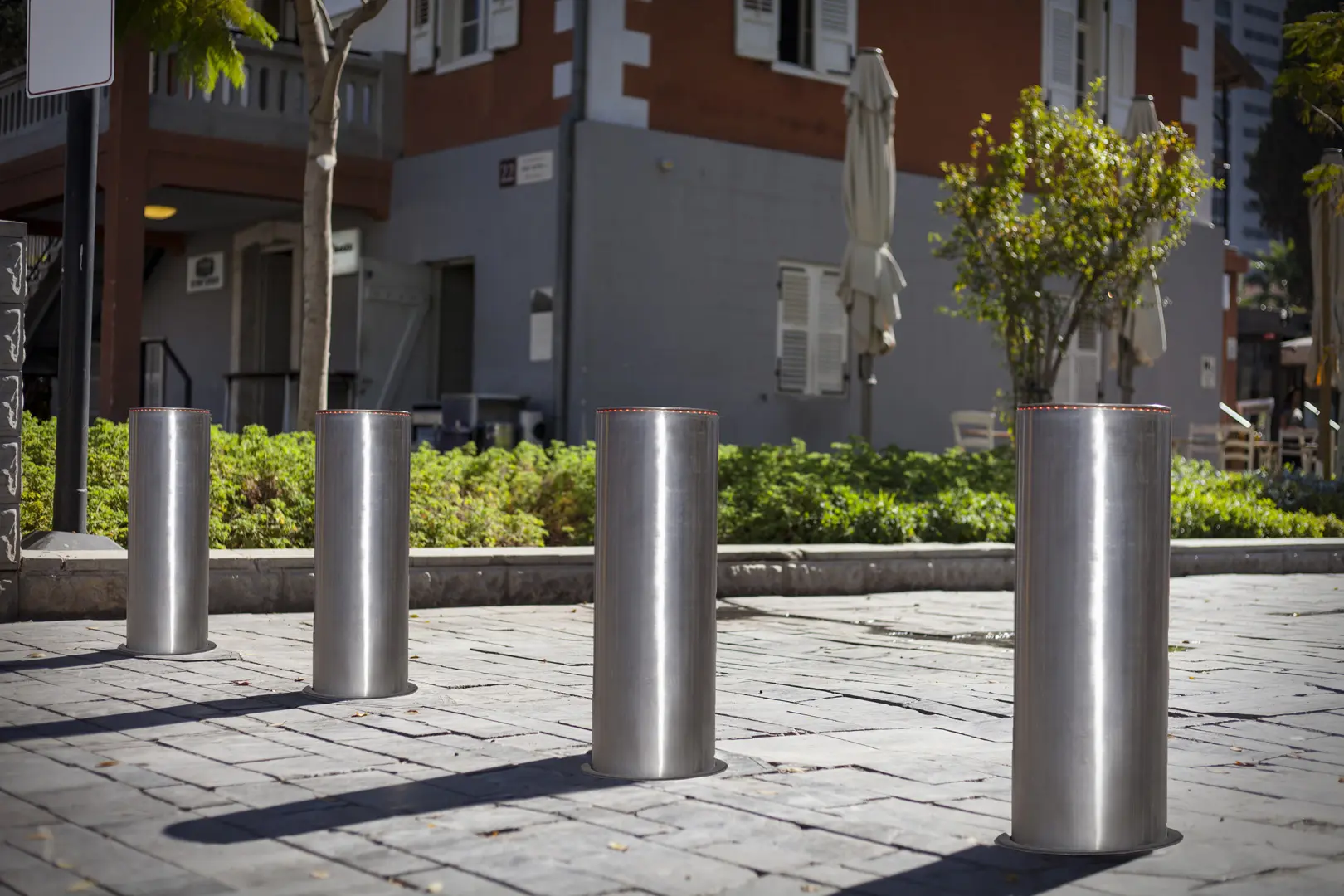
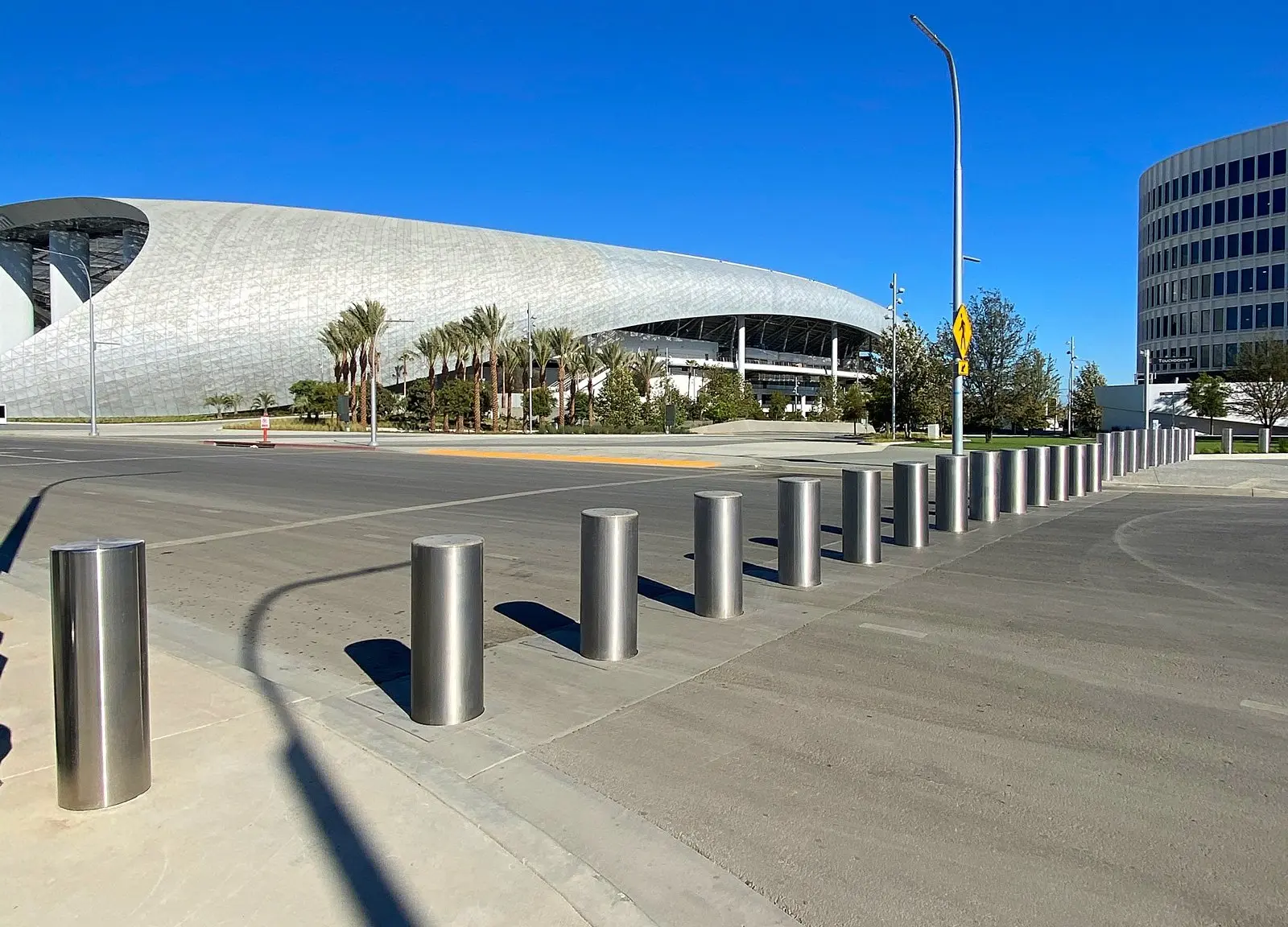
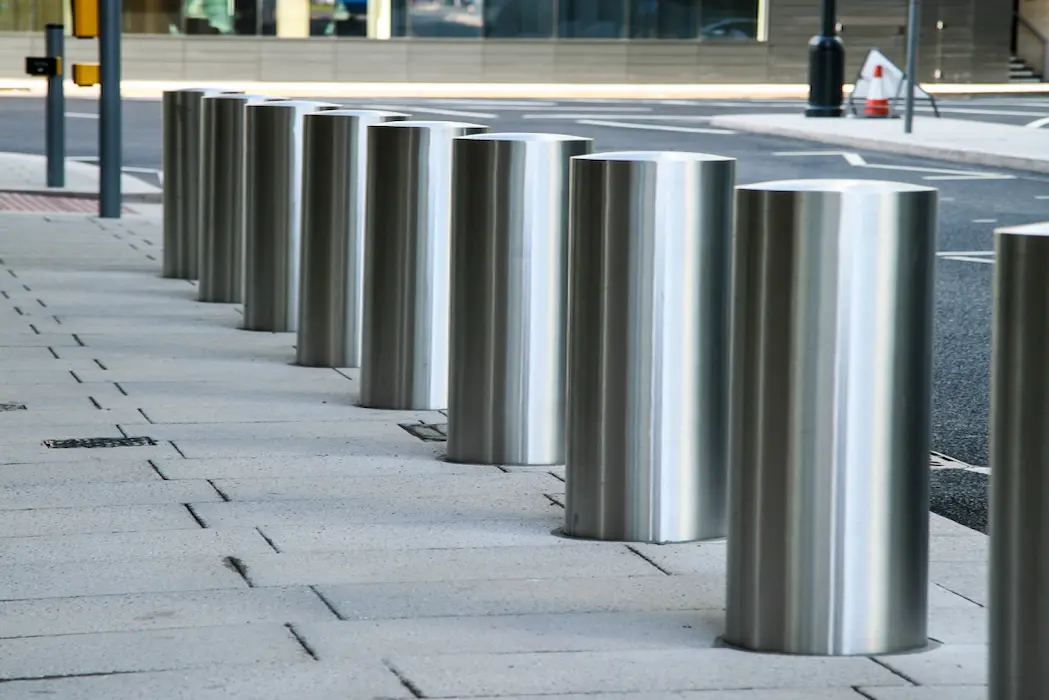
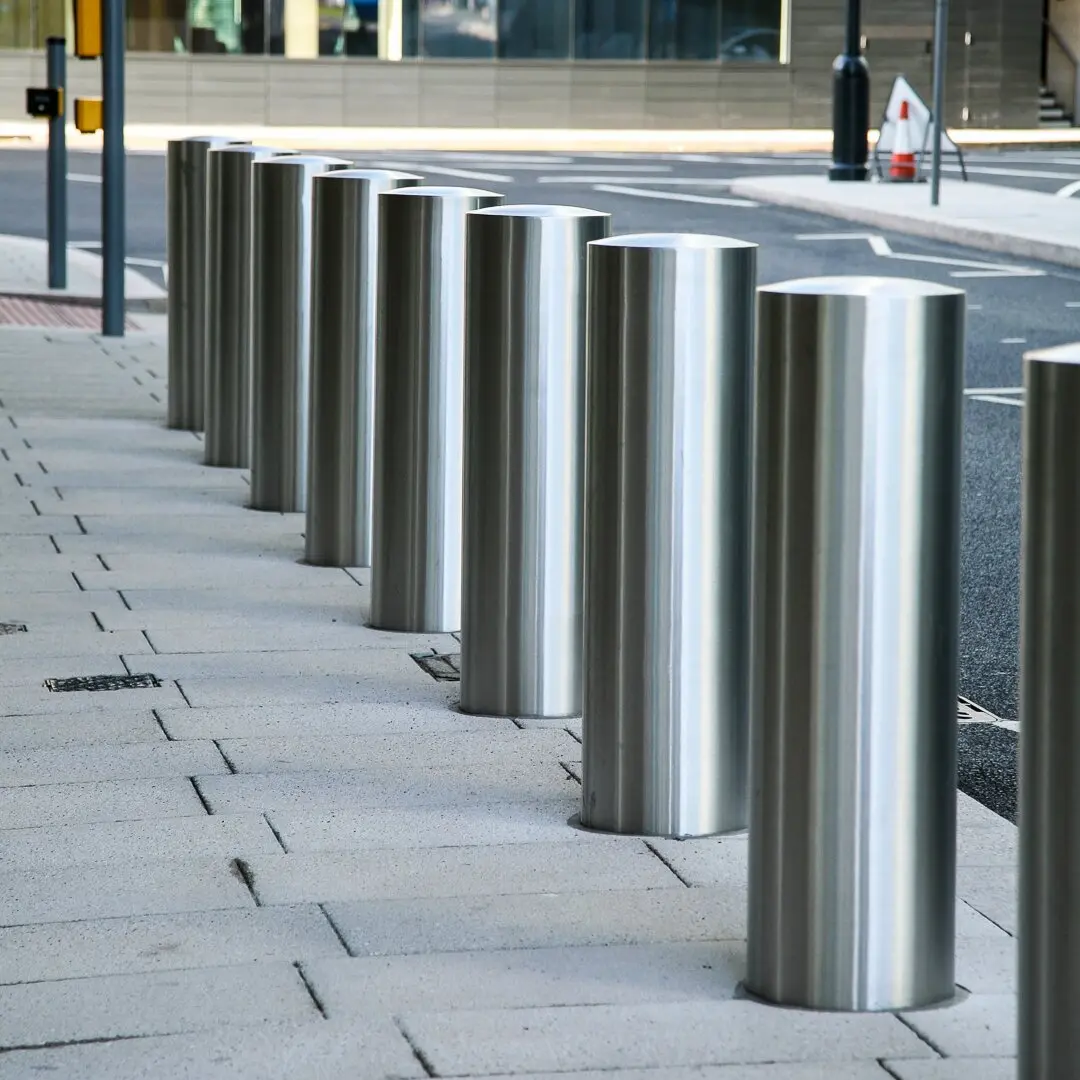
- K8 / M40 crash-rated configuration for HVM applications
- Heavy-duty construction for high-security environments
- Automatic, fixed and project-specific bollard configurations
- Corrosion-resistant construction for demanding outdoor conditions
- Integration options for access control and security systems
- Suitable for controlled vehicle access and perimeter protection
Security Benefits
- Helps mitigate unauthorized vehicle intrusion
- Supports high-security perimeter protection
- Suitable for layered HVM security strategies
- Can integrate with wider access-control infrastructure
Technical Specifications
| Parameter |
Specification |
| Crash Rating |
K8 / M40 Configuration |
| Height Above Ground |
Project / model dependent |
| Bollard Diameter |
Project / model dependent |
| Material |
MS / Stainless Steel options |
| Configuration |
Automatic / Fixed / Project-Specific |
| Control |
PLC / Remote / Access Control Integration |
| Application |
Hostile Vehicle Mitigation (HVM) |
Typical Applications
- Government Buildings & Embassies
- Military & Defence Facilities
- Airports & Transportation Hubs
- Oil & Gas Facilities
- Data Centers
- Critical Infrastructure
- Industrial Facilities
- Corporate & High-Security Campuses
Standards & Compliance
- K8 / M40 crash-rated configuration
- Hostile Vehicle Mitigation (HVM) application
- Crash performance according to the applicable tested configuration
- Project-specific technical documentation available on request
Applicable crash-test standard, rating and certification depend on
the selected K8 crash rated bollard model and tested configuration.
Relevant certification and technical documentation can be provided
according to project requirements.
Installation & Maintenance
K8 crash rated bollard installation requires appropriate civil
foundations, anchoring, drainage and electrical or control provisions
where applicable. Installation requirements vary according to the
selected bollard configuration, site conditions and project
specification.
Typical Maintenance Requirements
- Routine inspection of bollard structure and operating components
- Inspection of hydraulic systems for automatic models where applicable
- Electrical and control-system diagnostics where applicable
- Inspection for corrosion, surface damage or physical impact
- Preventive maintenance according to operating conditions