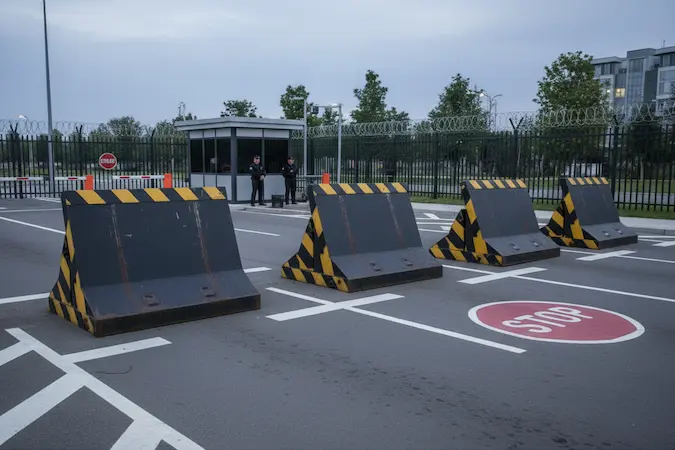
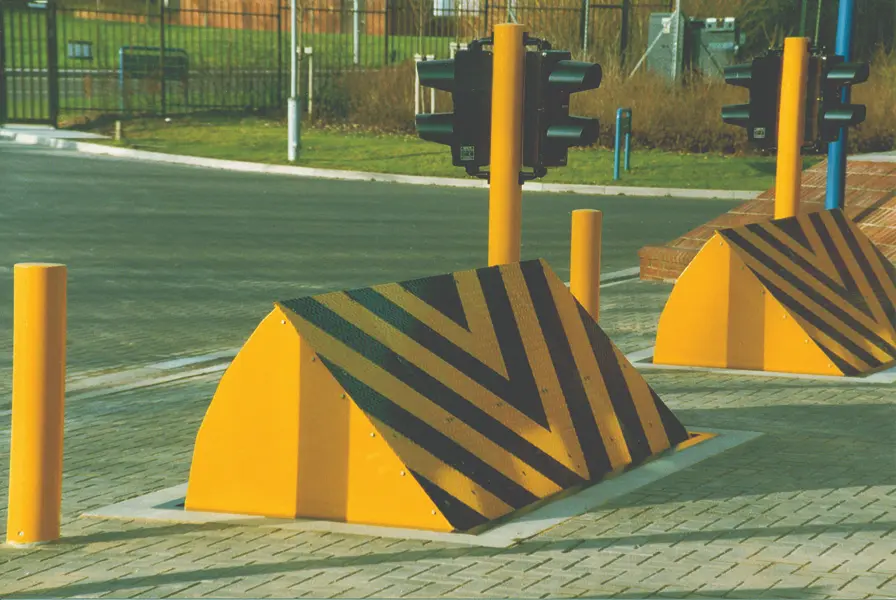
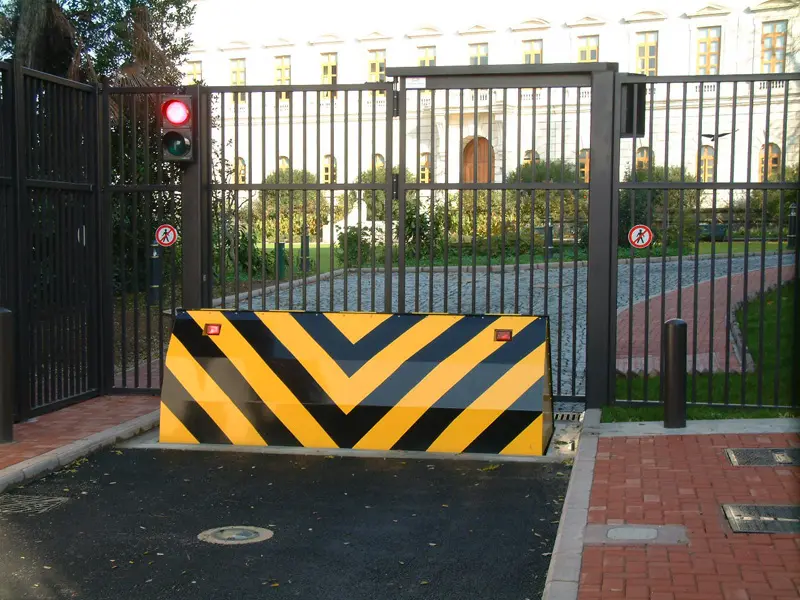
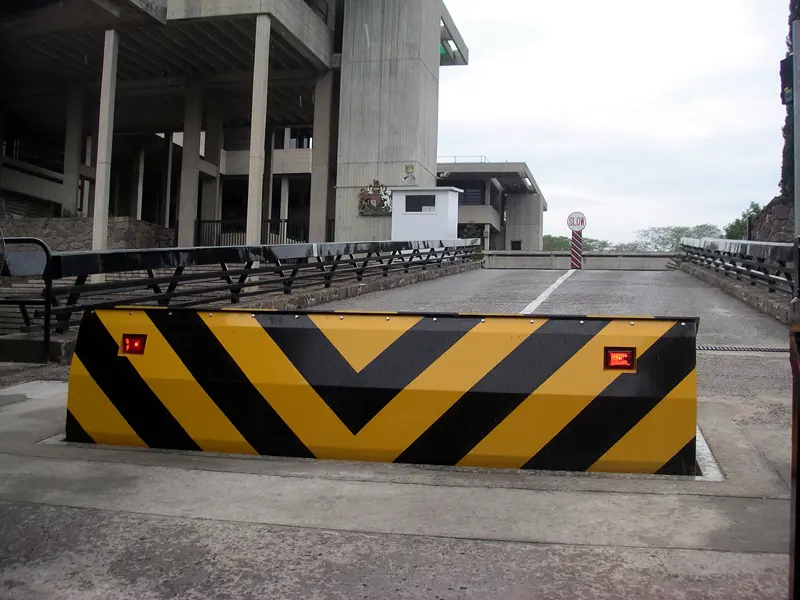
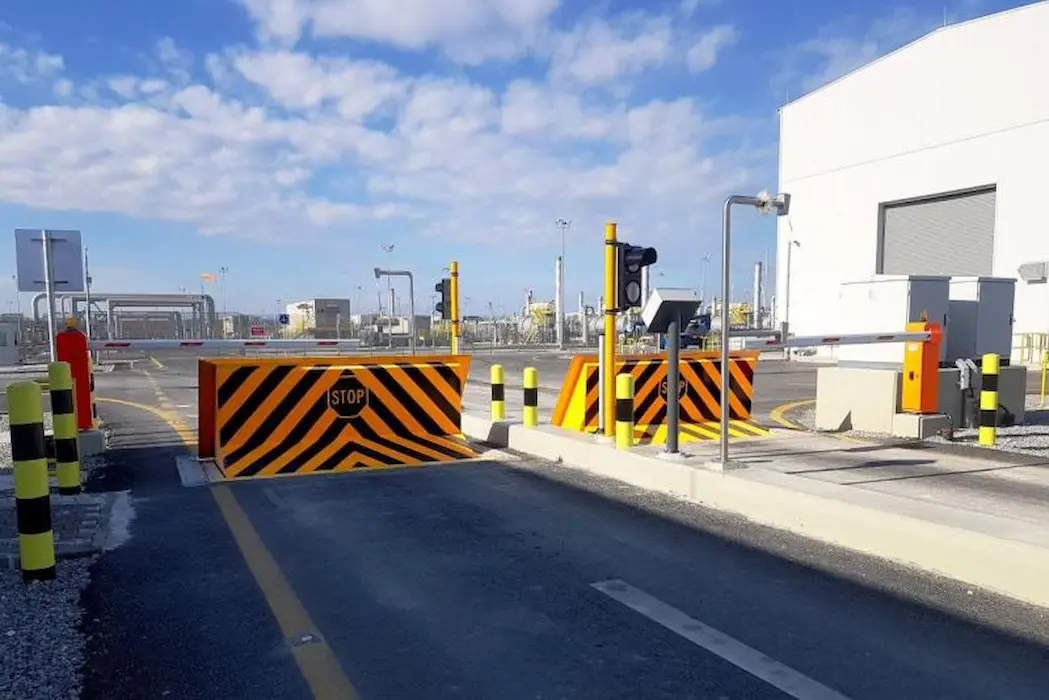
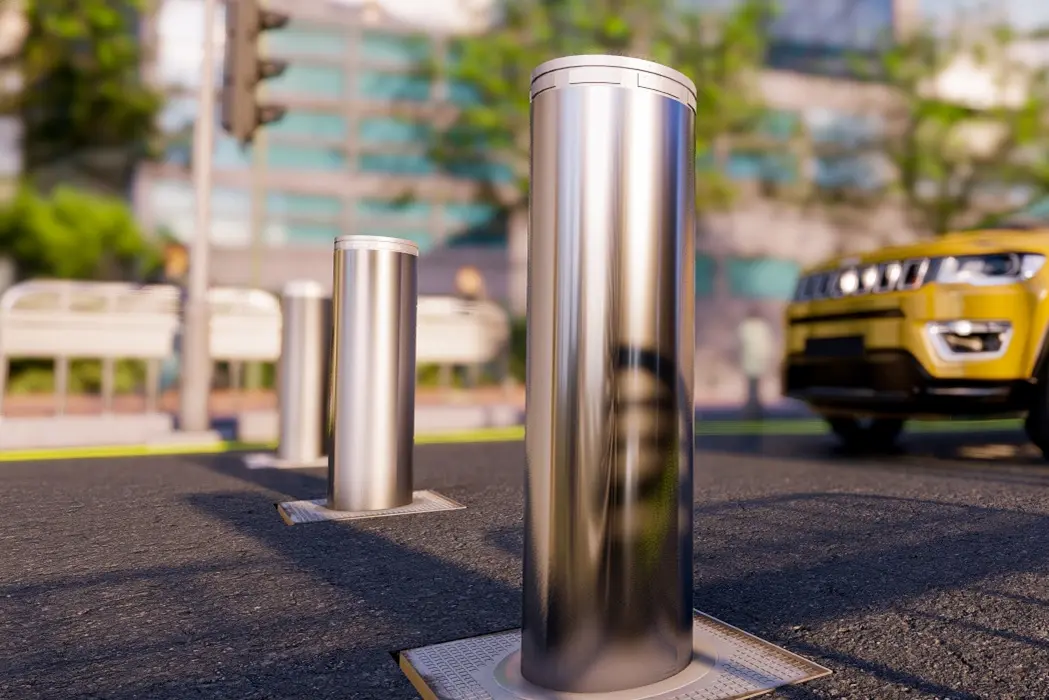
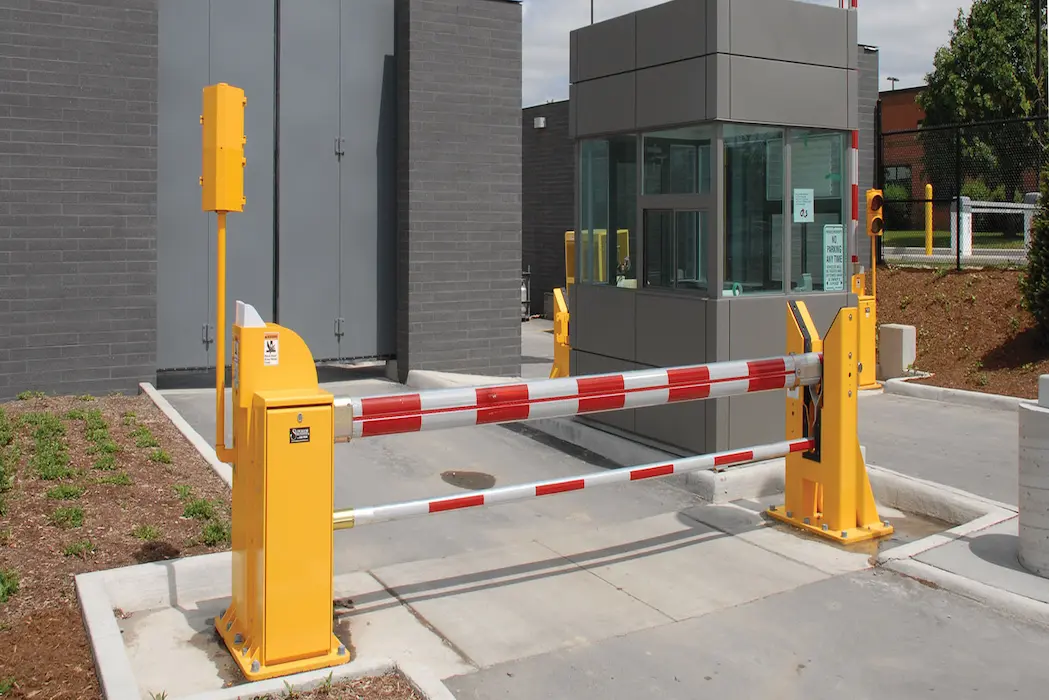
K12 / M50 Road Blocker Key Features
- K12 / M50 crash-rated configuration for Hostile Vehicle Mitigation
- Heavy-duty construction engineered for high-security vehicle entrances
- Hydraulic and electro-mechanical operation options
- PLC-based control with remote operation capability
- Corrosion-resistant construction suitable for demanding GCC environments
- Integration-ready with access control and perimeter security systems
Security Benefits
- Strengthens protection against hostile vehicle intrusion
- Supports controlled operation at high-security vehicle access points
- Heavy-duty construction for demanding security environments
- Integrates with wider perimeter-security infrastructure
- Suitable for critical infrastructure and high-security facilities
K12 / M50 Road Blocker Technical Specifications
| Parameter |
Specification |
| Crash Rating |
K12 / M50 |
| Height Above Ground |
600–900 mm (customizable) |
| Blocking Width |
2–4 meters (segment-based expansion) |
| Material |
MS (hot-dip galvanized) / SS304 / SS316 |
| Operation Type |
Hydraulic / Electro-Mechanical |
| Power Supply |
230V / 415V (3-phase optional) |
| Control System |
PLC / Remote / Access Control / Manual Override |
| Cycle Time |
3–6 seconds (model dependent) |
Typical Applications
- Government & Defence Facilities
- Airports, Seaports & Border Checkpoints
- Oil & Gas Facilities
- Embassies, Consulates & Diplomatic Facilities
- Critical Infrastructure
- Industrial Facilities
- Corporate Campuses & Data Centres
- High-Security Vehicle Entry Points
Standards & Compliance
- K12 / M50 crash-rated configuration
- ASTM F2656 vehicle impact testing standard
- IWA 14-1 vehicle security barrier standard
- PAS 68 vehicle security barrier standard
- ISO 9001:2015 manufacturing quality management
Applicable test reports, certification details and model-specific
performance documentation depend on the selected road blocker
configuration and project requirements.
Installation & Maintenance
K12 / M50 crash rated road blockers require properly engineered civil
foundations, accurate positioning and appropriate electrical and control
infrastructure. Installation can include civil works, electrical
connections, hydraulic or electro-mechanical system setup, control
integration, testing and commissioning according to the project scope.
Typical Maintenance Requirements
- Periodic inspection for physical damage, corrosion and alignment
- Hydraulic system inspection and fluid checks where applicable
- Inspection of electrical, PLC and control components
- Cleaning and lubrication of applicable moving components
- Inspection after any vehicle impact or abnormal operation