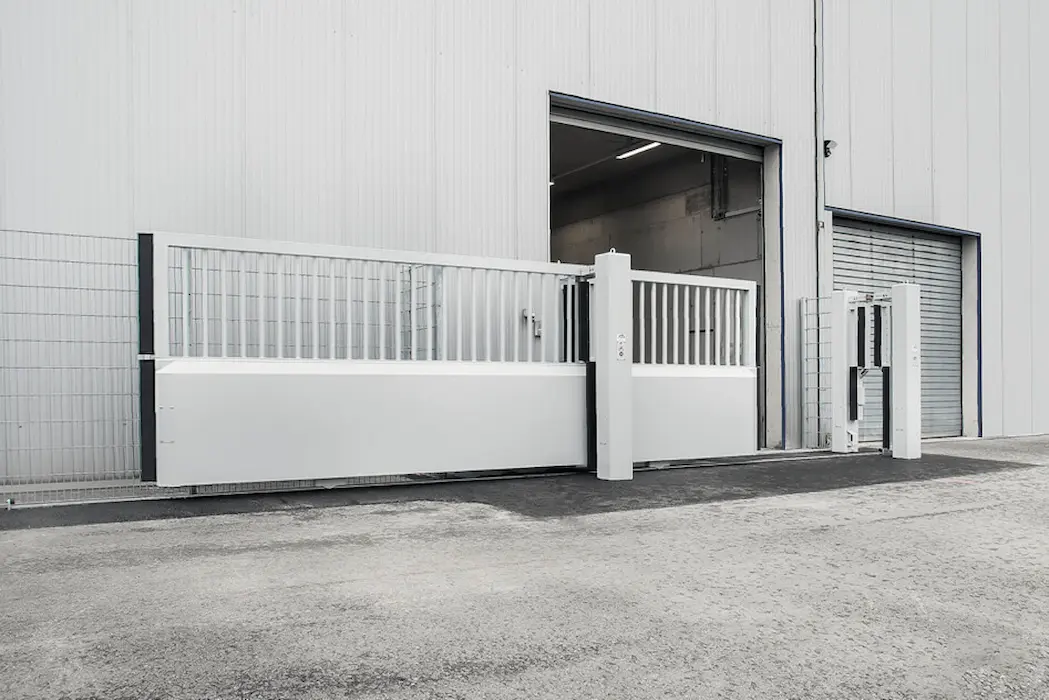
Key Features & Benefits
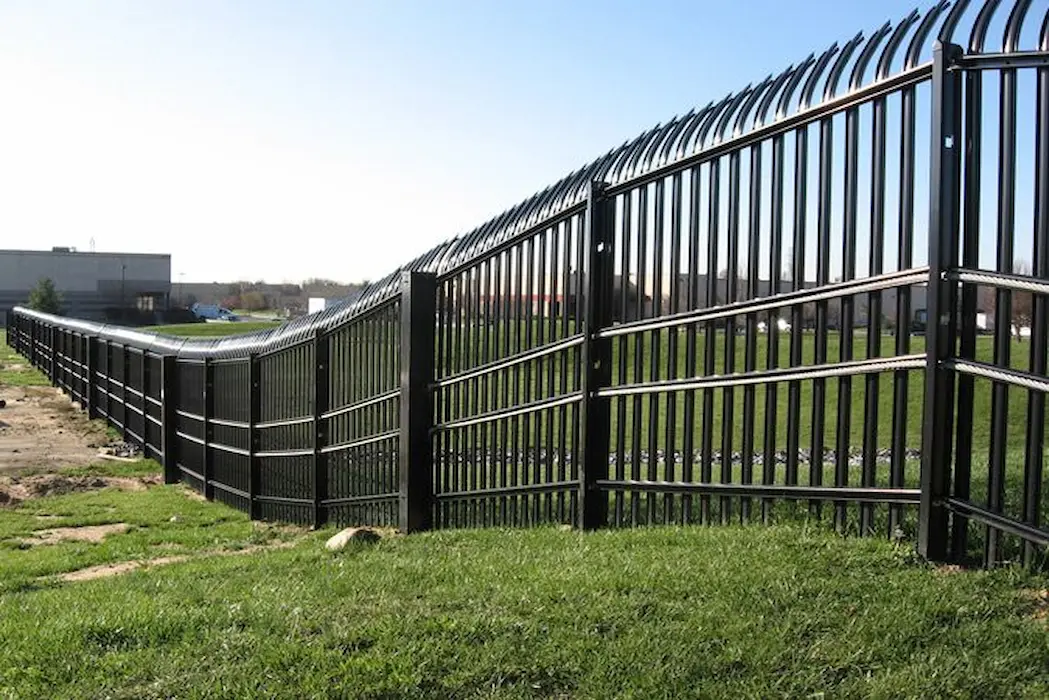
- K4 (M30) crash-rated perimeter fencing configuration
- Heavy-duty reinforced steel construction
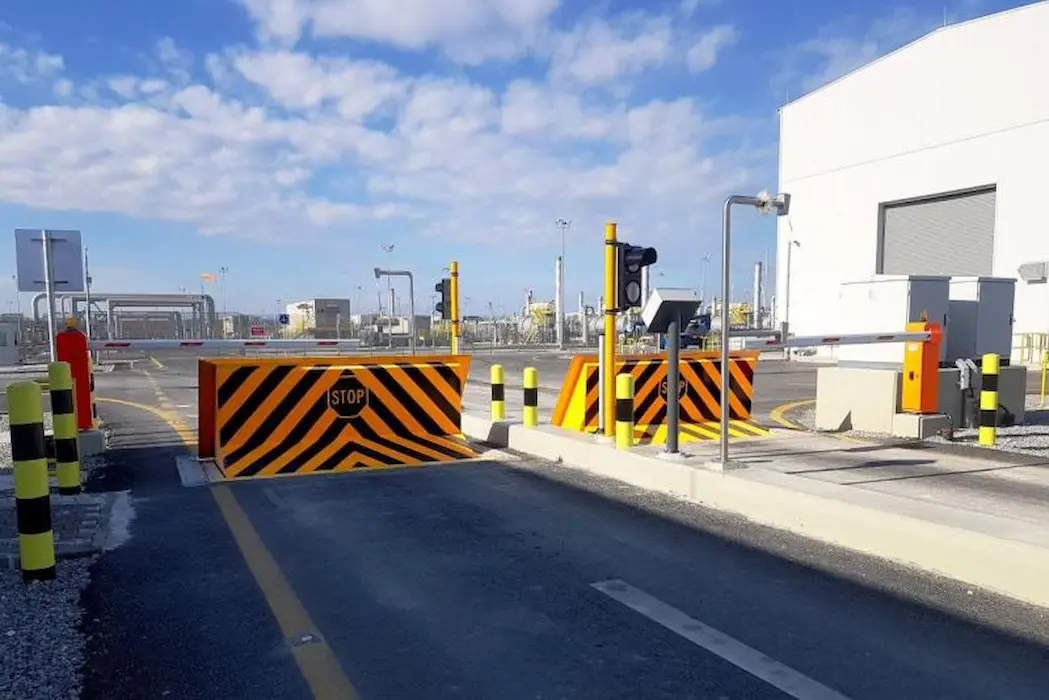
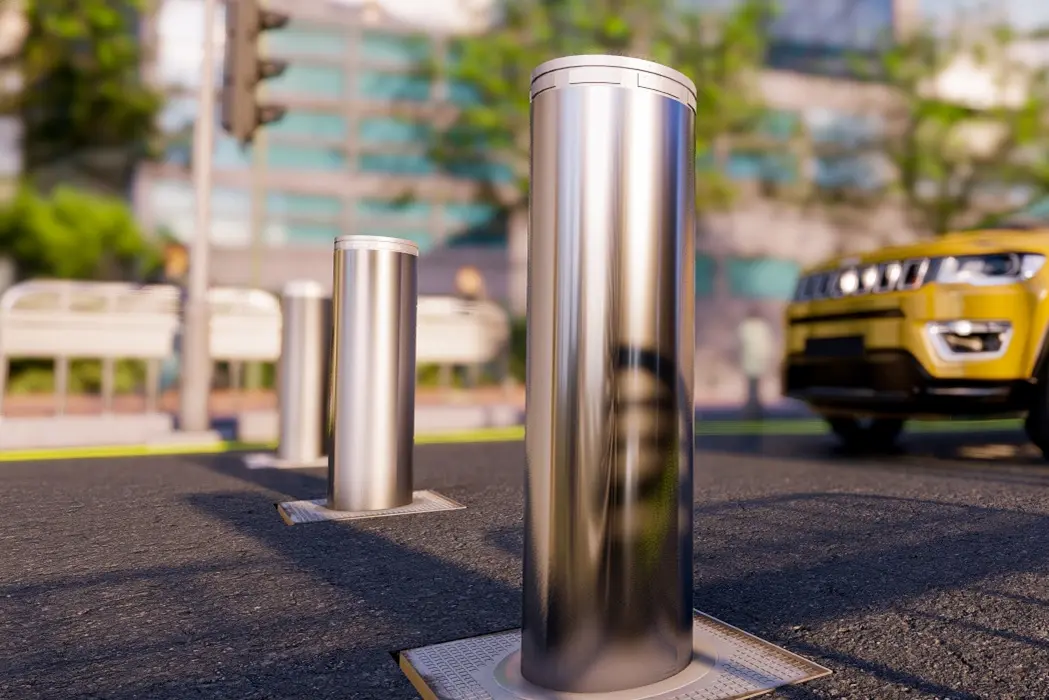
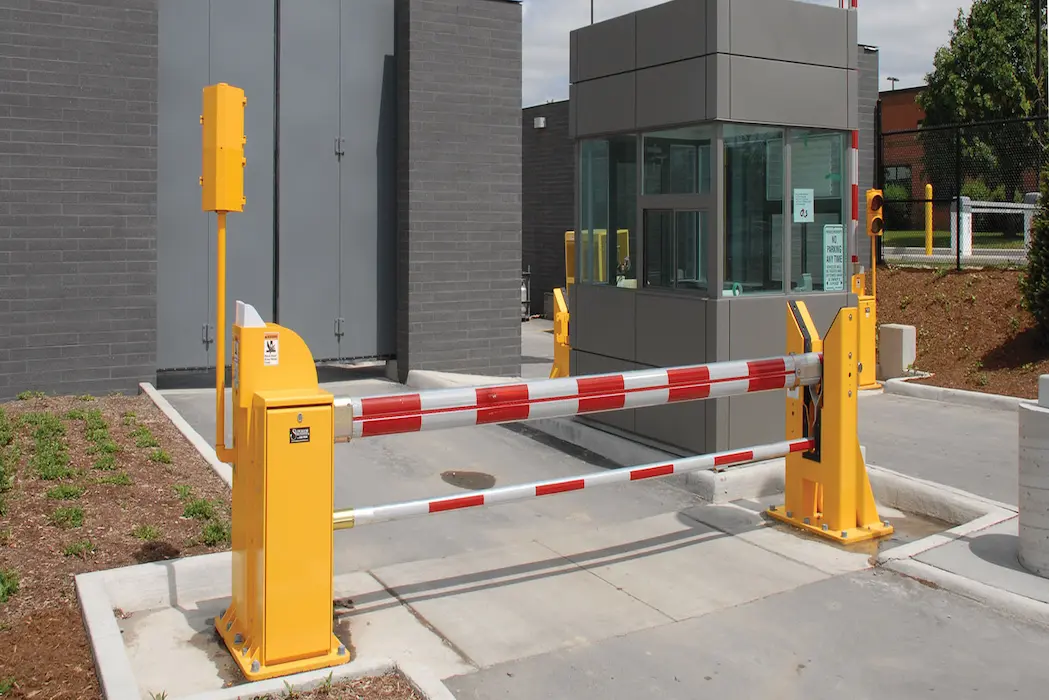
- Designed for Hostile Vehicle Mitigation applications
- Engineered posts, panels and foundation system
- Corrosion-resistant protection for outdoor environments
- Integration with wider perimeter-security systems
Security Benefits
- Helps mitigate forced vehicle intrusion
- Provides continuous protection along vulnerable boundaries
- Supports layered Hostile Vehicle Mitigation strategies
- Strengthens high-security perimeter protection
Technical Specifications
| Parameter |
Specification |
| Crash Rating |
K4 (M30) |
| Fence Height |
1.2–2.4 metres (model / project dependent) |
| Panel Width |
Project-Specific Configuration |
| Construction |
Heavy-Duty Reinforced Steel Structure |
| Material |
Mild Steel (MS) |
| Foundation |
Engineered Reinforced Concrete Foundation |
| Finish |
Corrosion-Resistant Protective Coating |
Typical Applications
- Government Buildings & Diplomatic Facilities
- Defence & Military Facilities
- Airports & Aviation Facilities
- Oil & Gas Installations
- Data Centres
- Critical Infrastructure
- Industrial Facilities
- High-Security Perimeter Sites
Standards & Compliance
- K4 (M30) crash-rated configuration
- Designed for Hostile Vehicle Mitigation applications
- Crash performance according to the applicable tested configuration
- Manufactured under established quality-management processes
Crash rating and certification details depend on the specific tested
fence configuration. Relevant technical documentation can be provided
according to project requirements.
Installation & Maintenance
Crash rated fence installation requires an engineered foundation,
reinforced anchoring and accurate alignment of the fence structure.
Installation requirements vary according to the selected configuration,
site conditions and project security requirements. Secure Gulf supports
project-specific installation, commissioning and technical coordination
for GCC projects.
Typical Maintenance Requirements
- Inspect fence panels, posts, joints and anchoring periodically
- Check the structure for impact damage or deformation
- Inspect protective coatings for corrosion or surface damage
- Repair damaged coatings where required
- Replace damaged structural components as required
- Conduct periodic perimeter-security inspections