Key Features & Benefits
-
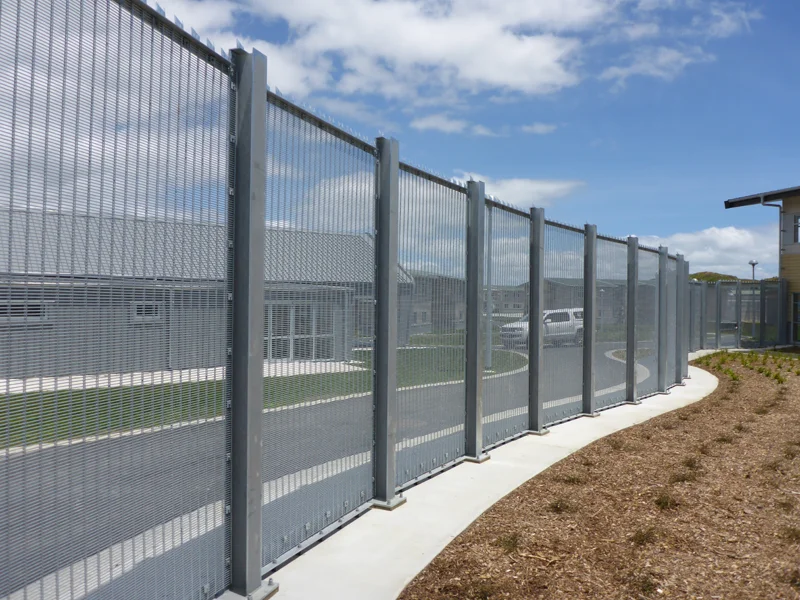
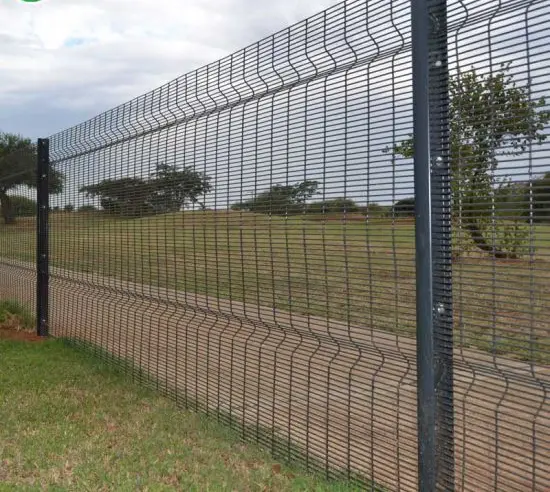
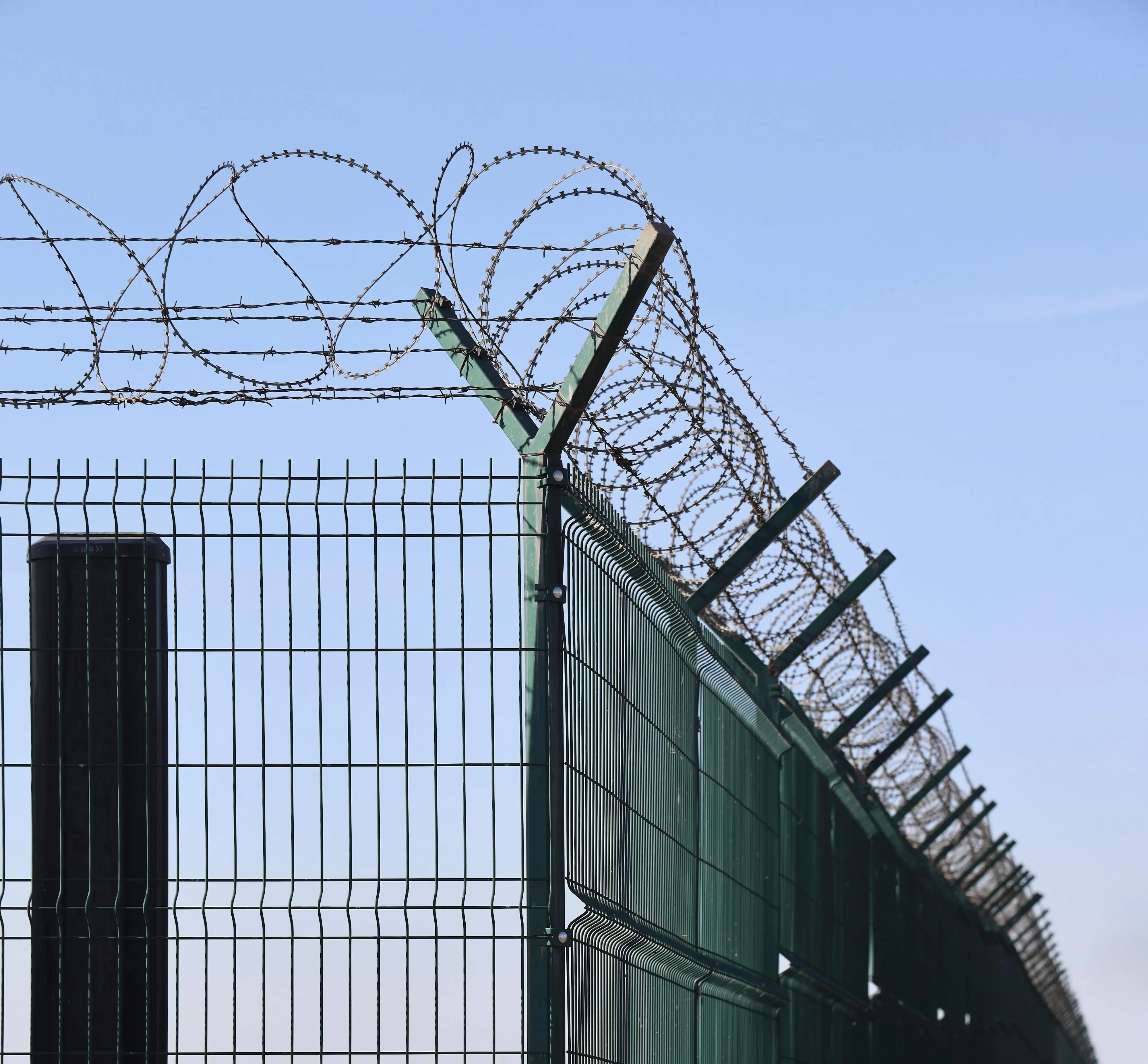
High-security welded mesh configurations designed
to restrict climbing and unauthorized access
-
Tight mesh aperture makes gripping and climbing
significantly more difficult
-
Robust steel wire construction for demanding
perimeter security applications
-
Galvanized and protective coating options for
enhanced corrosion resistance
-
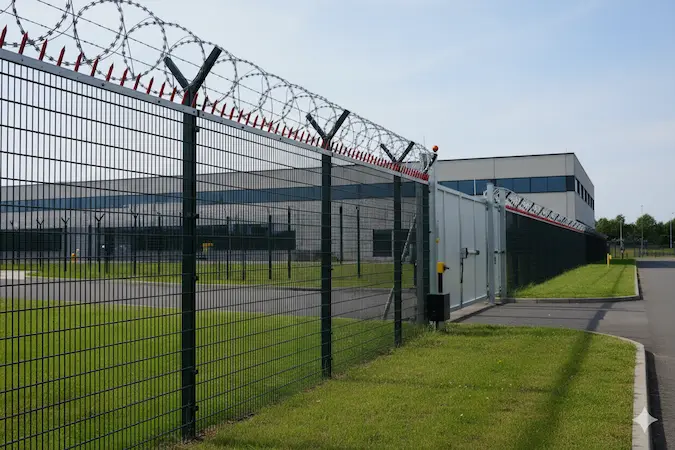
Compatible with selected perimeter security
enhancements based on project requirements
-
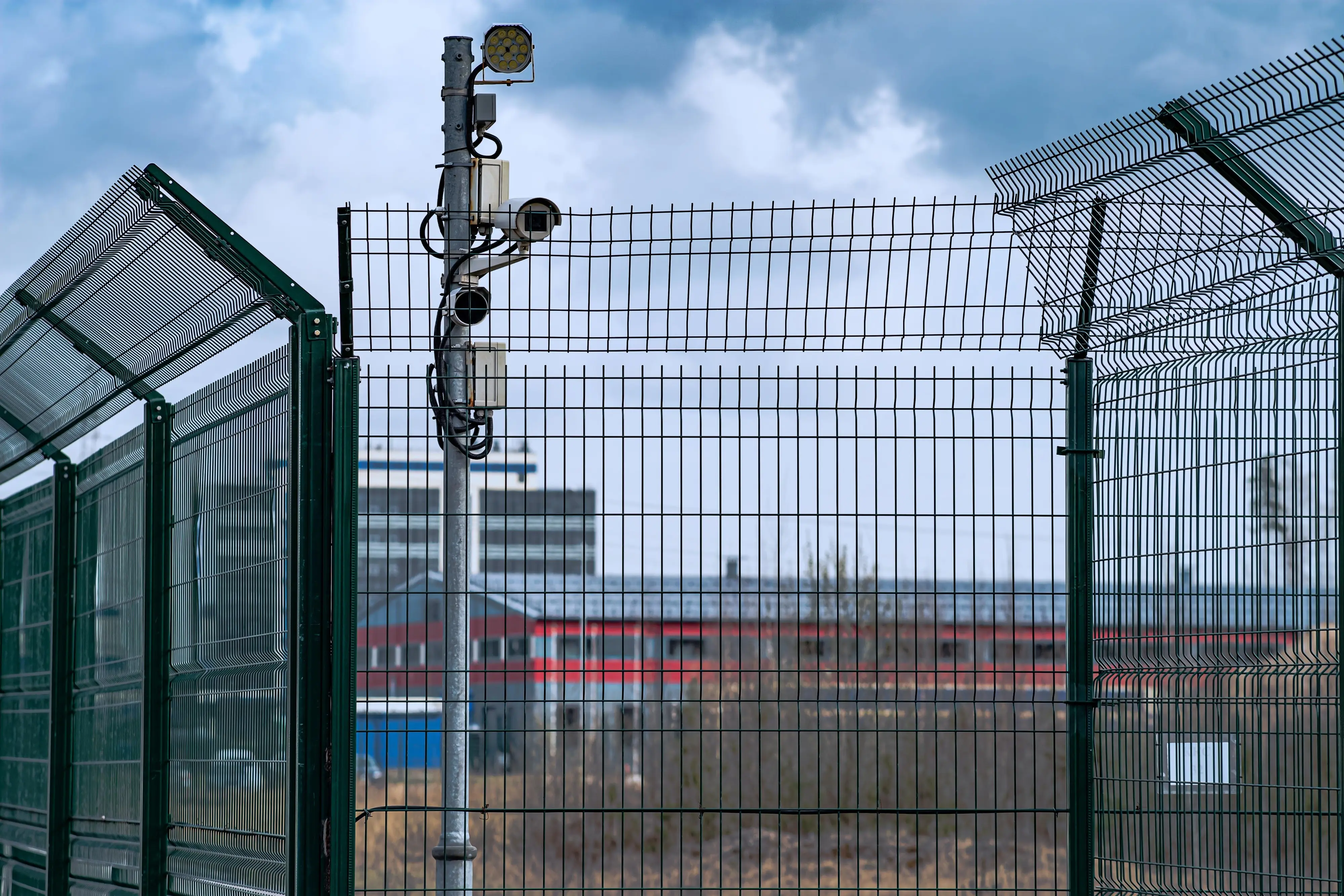
Can be integrated with CCTV, intrusion detection
and access control systems
-
Height, panel configuration and security features
can be selected according to site requirements
Key Benefits
-
Strengthens perimeter protection against
unauthorized pedestrian access
-
Anti-climb design helps improve physical
boundary security
-
Open mesh construction maintains visibility
for surveillance
-
Suitable for industrial, commercial and
security-sensitive facilities
Technical Specifications
| Parameter |
Specification |
| Fence Type |
High-Security Anti-Climb Welded Mesh Fence |
| Mesh Configuration |
358 / 3510 or project-specific high-security
mesh configuration
|
| Material |
Steel wire construction based on selected
fence configuration
|
| Fence Height |
Configurable according to site and project
security requirements
|
| Wire Diameter |
Based on selected mesh configuration and
project requirements
|
| Panel Width |
Standard or project-specific panel configuration
|
| Fixing System |
Security fasteners, clamps and fixings according
to selected installation configuration
|
| Security Enhancements |
Selected topping, intrusion detection and
surveillance integration options
|
| Finish |
Galvanized and/or protective coated finish
depending on project requirements
|
| Installation |
Foundation and fixing configuration based on
site conditions and fence design
|
Technical specifications may vary according to the selected
anti-climb fence configuration, project security level,
site conditions and installation requirements.
Applications
- Critical Infrastructure Facilities
- Industrial Plants & Manufacturing Facilities
- Warehouses & Logistics Yards
- Power Plants, Substations & Utility Facilities
- Airports, Ports & Transportation Infrastructure
- Government & Security-Sensitive Facilities
- Commercial & Institutional Campuses
- Oil & Gas and Petrochemical Facilities
- Data Centres & Telecommunications Facilities
- High-Security Perimeter Boundaries
Certifications & Standards
Anti-climb fencing can be engineered and supplied according
to project specifications, required security performance,
material requirements and applicable fencing standards.
-
High-security welded mesh configurations available
according to project requirements
-
Material and protective coating options selected
according to environmental conditions
-
Security fixing and anti-tamper configurations available
based on the selected fence system
-
Project-specific documentation and compliance requirements
can be addressed during technical evaluation
-
Installation configuration can be adapted to applicable
site and consultant requirements
Applicable standards, certifications and compliance requirements
depend on the selected fence configuration and individual project
specification. Certification should be confirmed for the proposed
system before final project approval.
Installation & Maintenance
Correct installation is important for maintaining the structural
integrity and security performance of an anti-climb fence system.
Installation requirements may include site preparation, suitable
foundations, accurate post alignment, secure panel fixing and
integration with selected perimeter security systems.
Secure Gulf can support project-specific fence configuration,
installation planning and integration requirements according
to the perimeter layout, site conditions and required security
level.
Maintenance Checklist
-
Inspect fence panels for damage, deformation or corrosion
-
Check posts, foundations and structural alignment
-
Inspect protective coatings for deterioration or damage
-
Check security clamps, fixings and fasteners periodically
-
Inspect any installed fence toppings or security accessories
-
Verify connected intrusion detection or surveillance
components where applicable
-
Increase inspection frequency where environmental or
site conditions require it